

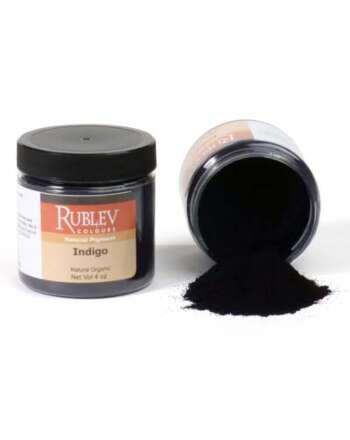
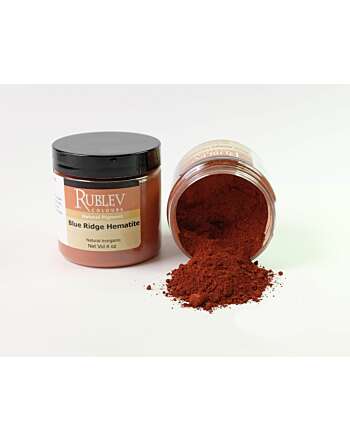
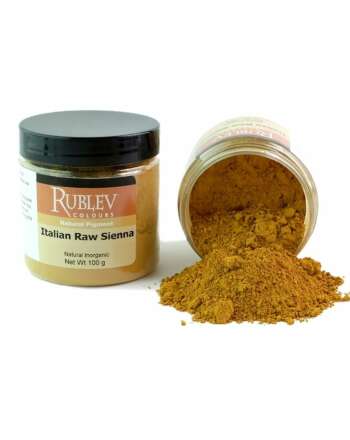
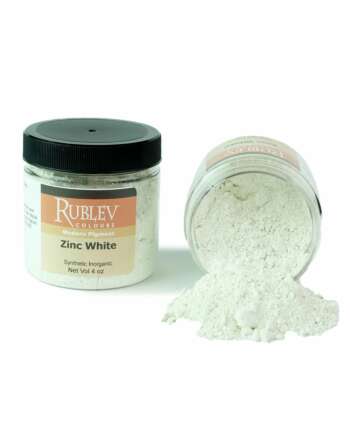
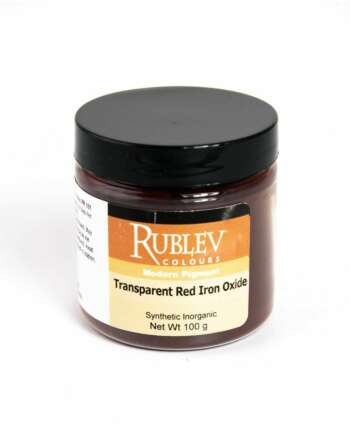
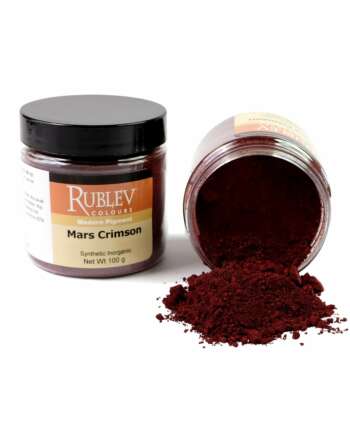
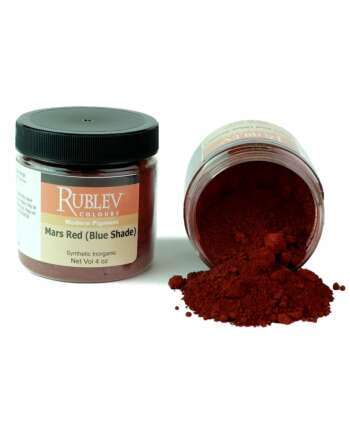
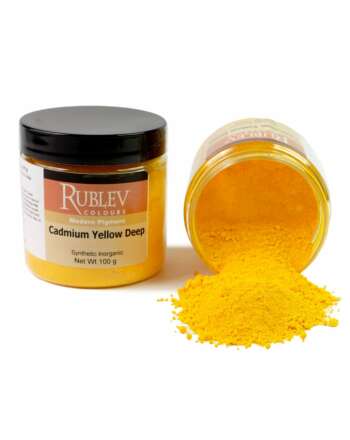
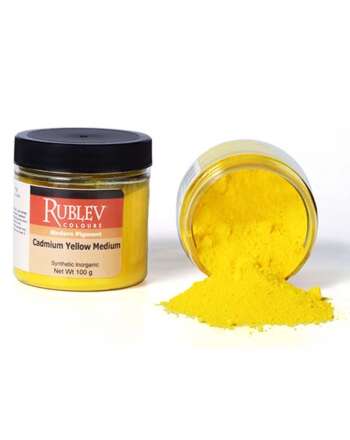
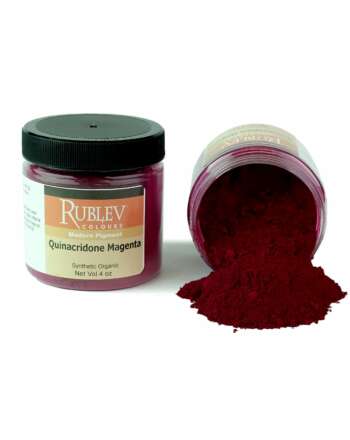
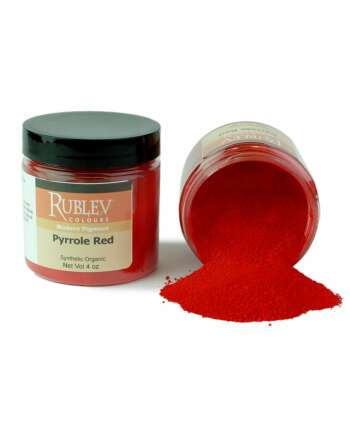
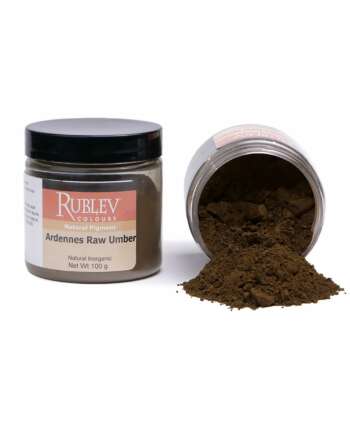
Pigments are substances that are used to give color to paints, inks, and other materials. They are typically finely ground powders that can be mixed with a binder to create a colored medium. Pigments can be made from a wide range of materials, including minerals, synthetic chemicals, and organic compounds.
Explore Our Wide Selection of Pigments
What are Pigments?
Pigments are finely ground colorants that change the color of reflected or transmitted light by absorbing certain spectrum wavelengths. Pigments differ from dyes in that they are insoluble in the medium in which they are mixed. They are used in paints and coatings as coloring agents. Pigments are also used to color food, personal care products, inks, and plastics.
How are pigments made?
Pigments can be natural or synthetic. Pigments are also organic or inorganic, meaning they are derived from organic chemicals such as petroleum or minerals, such as iron ore. Most historical pigments were derived from natural sources, such as rocks, plants, and insects. Modern pigments are made from mineral sources or petroleum. They also vary in toxicity—most are considered safe, while some are toxic.
How do you make paint?
You combine pigments with a binder to create colors in paint. Binders suspend the pigments and give paint adhesion to a substrate. Binders consist of resins, gums, or oils. Acrylic resins make acrylic paints. Acacia gum (gum arabic) is the binder in watercolor paints. The binder in oil paints is drying vegetable oils, such as linseed, walnut, and poppy oil.
What are natural and nontoxic pigments?
Which pigments are natural, and which ones are synthetic? Learn how to determine which pigments are natural or synthetic.
Pigments in artists’ paint do not come in frequent contact with human skin and are less likely to be absorbed through the skin. On the other hand, pigments intended for cosmetics are applied to the skin, and those made for food are consumed. Learn how to choose pigments that are nontoxic for your application.
Artist Material Advisor on Pigments
Discover which five natural pigments are among the most important in history. In this live streaming of the Artist Materials Advisor, Tatiana shows five historical pigments that are found in the greatest masterpieces of art history but are no longer widely available. She explains their history, origin, and how you can obtain and use them today.
Discover the working properties, tinting strength, and hue of natural yellow earth oil colors compared to Mars yellow, synthetic yellow iron oxide in this Artist Materials Advisor episode.
Learn More About Pigments
February 19, 2021
Italy is a land of painters and popes, pasta and polenta, and medieval castles and alpine mountains. Most importantly, it is the land of romance. Italy is also a land rich in minerals from which many different colored pigments have historically been used in some of the world’s most important works of art. This article examines a few of the many earth colors available from Italy by Natural Pigments...
November 19, 2020
Pearlescent pigments are usually mica platelets, synthetic or natural that have been coated with titanium dioxide, iron oxide, or another metal oxide. Platelets of coated mica can vary in size, shape, and thickness. The degree of these characteristics and the thickness of the coating determine the color and appearance of the pigment. Additionally, thickness and the coarseness of the particles determine the sparkle...
January 18, 2020
White pigments consist of natural or synthetic inorganic pigments. Inorganic pigments are easier to disperse in most paint vehicles than organic pigments. Nevertheless, many white pigments undergo treatment to improve their dispersibility, lightfastness, and weather resistance. White pigments are used for white colors, tinting colors, and covering tones in paint...

Rublev Colours Pigments
Natural Pigments specially make Rublev Colours® natural mineral, organic, and historical powder pigments for artists. They are the same pigments used by ancient, medieval, and Renaissance painters. Each pigment can be used for different painting techniques. Whether a novice or an experienced painter, you’ll find Rublev Colours pigments well suited for use in aqueous mediums, such as egg and casein tempera, gum arabic (watercolor), hide glue (distemper), and acrylic dispersions. They perform equally well in oil and alkyd paint. Most are suitable for fresco and other painting techniques, such as encaustic.
Rublev Colours pigments are made directly from mineral and organic sources. Our geologist, who has many years of experience selecting minerals for pigments, travels to distant locations and hand-selects mineral ores for our pigments. We process the minerals by pulverizing, grinding, and levigating for use as fine artists’ pigments.
We travel worldwide to observe the growing and processing conditions of the natural materials used in our organic pigments. We inspect cochineal gatherings at cactus plantations in Mexico, madder roots in Turkey, indigo vats in India, and logwood trees growing in Honduras.
At Natural Pigments, we remove the mystery of pigments by disclosing their source and known composition. We want you to gain the same intimate knowledge that the old masters had when they made their paint with pigments.

Why Use Natural Pigments?
Synthetic pigments today are made to serve the paint industry, in which producing paints for artists plays a minor role. To achieve maximum desirability in paint today, pigments are made homogenous in shape, size, and composition. For example, particle sizes are made as small as possible to increase the covering power of pigments. The smaller the particles, the more the color nuances of the pigment are reduced to its primary hue, as in inks with no texture. Particles that are homogenous in shape and size also tend not to settle quickly and separate from the binder during storage. This increases the shelf life and, thereby, the marketability of paint but reduces its beauty as a color for artists’ use. Anita Albus wrote in Art of Arts, “The result is not perfection, but sterility.”
Artists’ material manufacturers purchase most pigments from companies that mass-produce them for other uses. A few examples include ultramarine, cadmium, and phthalo colors. Oddly enough, painters are among the few artistic groups to succumb to economic pressures and use ready-made materials. Even in the applied arts, such as cooking, it is customary to produce their stocks and sauces, even though commercially-processed alternatives are available.
On the other hand, we make our pigments to specifications that maintain their best qualities and allow artists to refine them for their use. You can use them as they come out of the jar or grind them and separate them into different grades for special visual effects. As you become more aware of these possibilities, you will want to experiment, paying attention to how the pigments look and behave when mixed with your favorite binder—oil, acrylic, egg, lime, casein, collagen glue, or gum arabic.
Rublev Colours Natural and Historical Pigments
A selection of the most important historical pigments, primarily natural minerals, available in the Rublev Colours assortment from Natural Pigments. Learn about the common misconceptions of historical pigments.
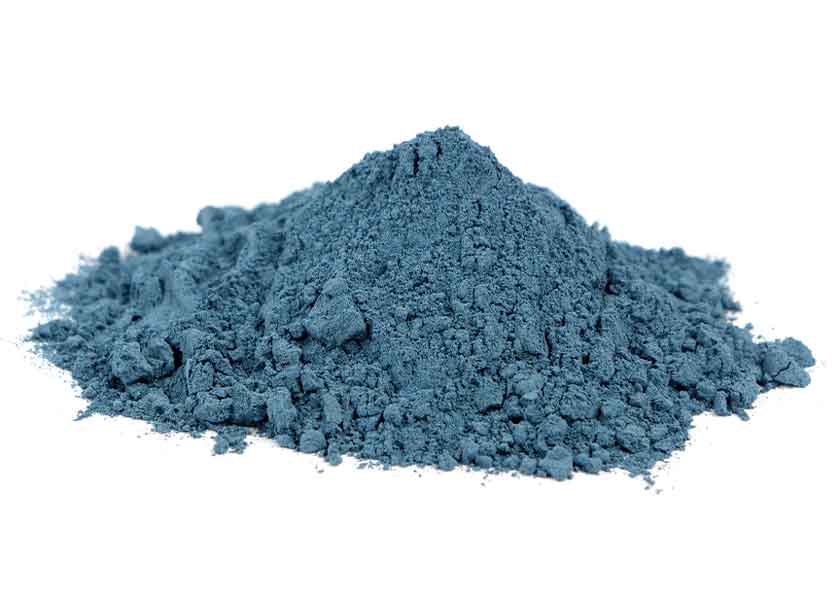
Azurite
Azurite is the basic carbonate of copper and is found in many parts of the world in the upper oxidized portions of copper ore deposits along with malachite. Azurite varies in mass tone color from deep blue to pale blue with a greenish undertone. According to some authorities, azurite was found in paint pigment as early as the 4th Dynasty in Egypt. The particle size of azurite is maintained large to provide the deepest color possible because as it is ground to finer sizes, it loses some of its brilliance.
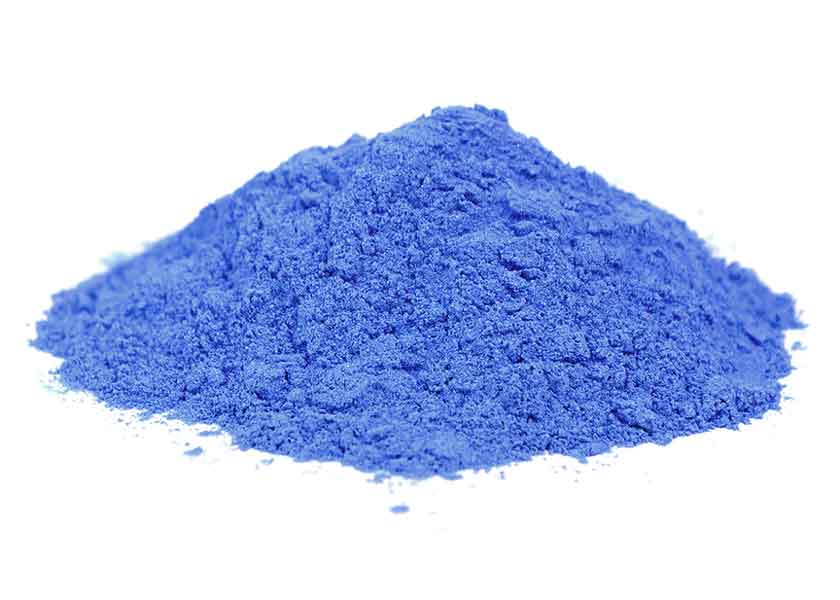
Lazurite (Lapis Lazuli)
Lazurite is a rare mineral commonly found combined with other minerals, called lapis lazuli. We buy select pieces of lapis from one of the oldest lazurite mines in Badakhshan, Afghanistan, as well as mines near Lake Baikal, Russia, and the Cordillera Range of Chile. These pieces are finely ground and washed to obtain the highest purity and deepest blue hue. The raw lapis is crushed, ground, and cleaned in a series of steps, removing impurities, such as calcite, pyrite, diopside, and wollastonite, until a concentrate of lazurite crystals is derived.
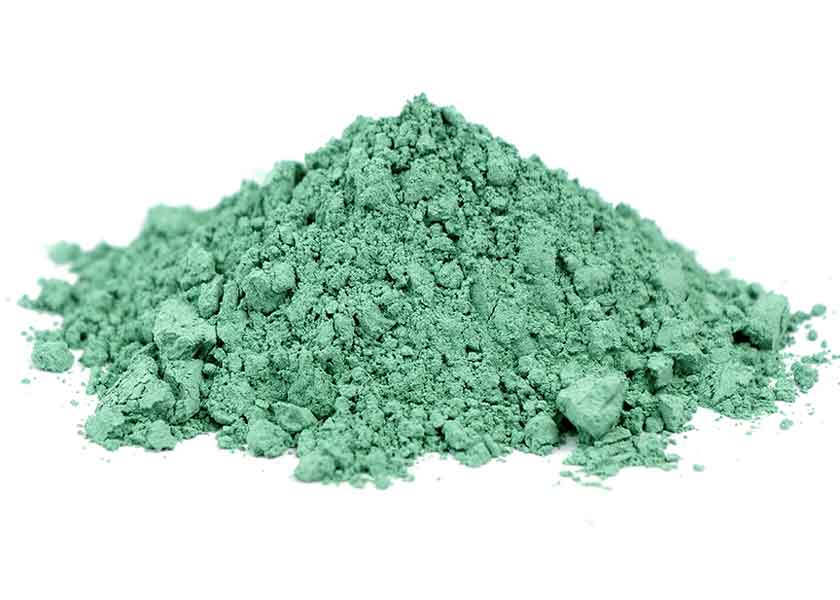
Malachite
Malachite is the basic carbonate of copper, described as a bright greenish blue or sometimes as a pale green mineral. The finer the pigment particle size is, the lighter green it becomes. Our malachite is obtained from mines in various parts of the world, such as Africa and Asia. Available in fine and coarse grades. Malachite is a mineral found in many parts of the world in dry or semiarid regions, usually near the surface, and is a good indicator of deeper copper deposits. Chemically, it is a combination of copper(II) carbonate and copper(II) hydroxide, Cu₂CO3(OH)₂.
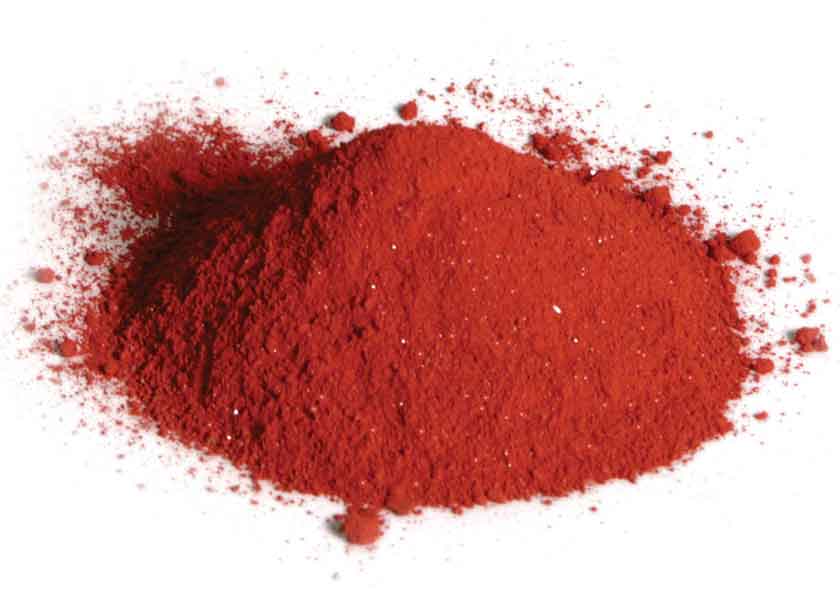
Cinnabar and Vermilion
Cinnabar, a dense red mineral, is the principal ore of mercury. It is a historical pigment well known to the Romans and has been widely used in China since the 3rd-millennium B.C.E. The natural mineral is said to be more stable than the manufactured pigment known as vermilion.
Vermilion was used extensively in easel and miniature painting throughout the Middle Ages until the end of the 19th century. The traditional use of red glazes of madder or cochineal lakes over cinnabar or vermilion underpainting not only increases the intensity of the color but also reduces the tendency of these lake pigments to fade. Our dry process vermilion is made in China by a recipe handed down through successive generations.
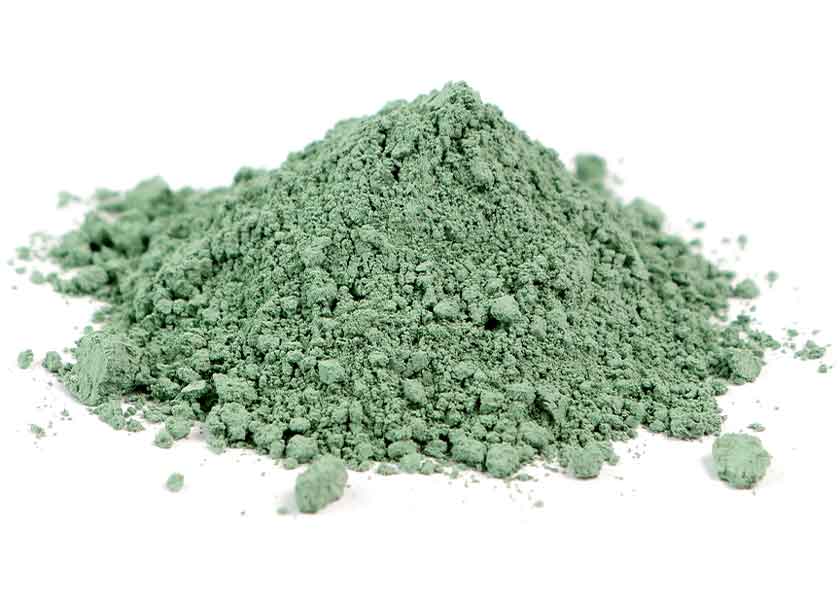
Green Earth
Glauconite is a greenish mineral of hydrated iron potassium silicate, known as green earth, varying from pale green and bluish-green to olive-green. We obtain green earth from Cyprus, Estonia, Italy, and Ukraine. The most famous deposit of green earth is found near Verona, Italy. Restorers have proven that the famous green pigments of past centuries known as terre verte are, in essence, the mineral glauconite. Hematite is a dark red iron oxide. We obtain hematite from iron ore deposits in England, France, Italy, Russia, and the U.S. It is a lustrous pigment of considerable tinting strength and opacity. Hematite is the principal-coloring agent in red ochers, such as Pozzuoli red, Venetian red, etc. These pigments contain hematite associated with varying amounts of clay, chalk, and silica.
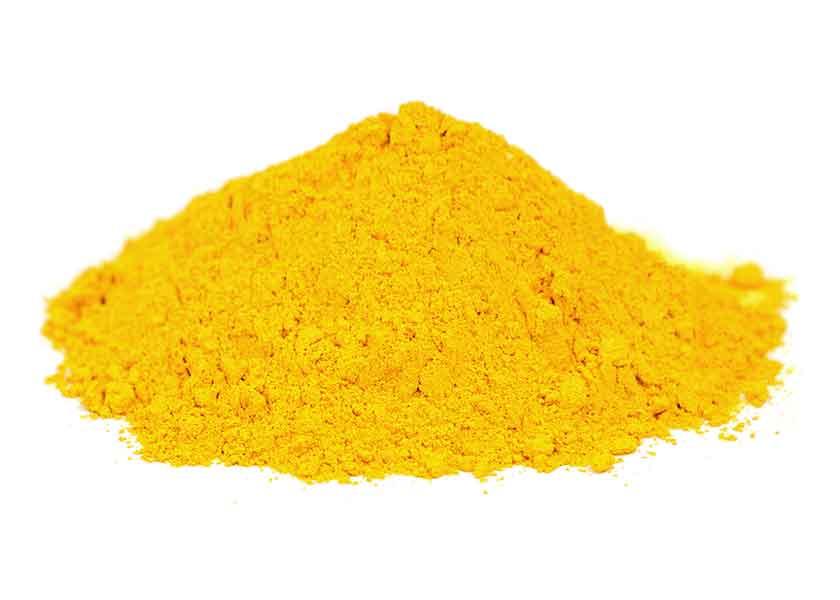
Orpiment
Orpiment is yellow arsenic sulfide, a rare mineral usually described as a lemon or canary yellow or sometimes as a golden or brownish yellow. Our orpiment is from Kadamdzhaï in Kyrgyzstan. The modern name comes from the Latin auripigmentum, or golden pigment. It is a historical pigment identified on ancient Egyptian objects and paintings from the 31st Dynasty to the 6th century B.C.E. It is mentioned in Greek and Roman literary sources. The Leyden papyrus described its use in late Egyptian painting, as does the Mappae Clavicula in early medieval painting. The pigment has been described in various other manuscripts dating from the 12th to the 15th centuries.
Featured Powder Pigments
What are Pigment Concentrates?
Pigment concentrates (known as pigment dispersions) are single pigment pastes with as high as possible pigment content and as little as possible water. They are used in different ways to produce paints or tint mediums and grounds.
Why Should Artists Use Pigment Concentrates?
Water-based pigment concentrates or dispersions are a popular choice for many artists when it comes to creating their painting mediums. These pigments are suspended in a water-based solution, allowing for easy mixing and application to a variety of surfaces. There are several advantages to using water-based pigment concentrates or dispersions in artist painting mediums.
One of the primary advantages of pigment pastes is their ease of use. Because they are pre-dispersed, the pigments do not require additional grinding or mixing before they can be incorporated into a medium. This can save artists time and effort, as they do not need to spend as much time preparing their paint before they can begin painting. Additionally, pigment concentrates can be easily mixed with other materials, such as binders or thickeners, to create a custom medium that meets the artist's specific needs.
Another advantage of pigment pastes is that they are generally safer than powdered pigments. Many artists are concerned about the potential health risks of inhaling dust from powder pigments. Pigment pastes can be a good alternative for those who want to avoid these risks. Additionally, pigment concentrates are often easier to clean up and dispose of than other pigment forms, which can be important for artists who are conscious of their environmental impact.
Finally, pigment pastes offer a wide range of color options and can be used to create a variety of effects. Because they are pre-dispersed, the pigments are available in a wide range of colors and shades and can be easily mixed to create new colors or variations. Additionally, pigment concentrates can be used to create a variety of effects, such as transparent washes, opaque layers, or textured surfaces. This versatility makes pigment pastes a popular choice for many artists who want to experiment with different techniques and effects.
Pigment pastes offer a range of advantages for artists looking for an easy-to-use, safe, and versatile option for their painting mediums. With a wide range of color options and the ability to create various effects, pigment pastes can help artists achieve their desired results while minimizing potential health risks.
How to Use Pigment Concentrates in Artwork
There are many different ways to use pigment concentrates in your artwork. Let's consider three different ways.
Making Paint
Using pastes to make your own paint is an excellent choice for a wide range of colors and binders. This is especially true for tempera paint. Making paint from pigment concentrates is quicker than grinding powder pigments in water and then adding a binder, and it allows for greater flexibility in creating variations for different requirements.
Preparing Special Tints
When it comes to tinting, the final fine adjustment of color can be achieved by using pastes. These pastes make up a small percentage of the paint and have minimal impact on paint quality. Known as nuancing, this is a critical step in achieving the perfect hue and tint for your artwork.
TInting Grounds
You longer have to settle with white grounds for your painting. You can use a single pigment concentrate or a blend of pastes mixed with the desired ground or binder to make colored ground from deep tones to beautiful pastels. However, the more pigment pastes added to the ground, the more significant impact they have on the final quality of the ground. As a result, the quality of the pigment concentrates must be top-notch to achieve the desired outcome.
In conclusion, using pigment pastes in tinting and paint-making can open up endless possibilities for achieving the perfect colors and paint for your artwork. As a painter, it is crucial to have a comprehensive understanding of these processes to achieve the best possible results. So, go forth with confidence and create magnificent works of art!
Featured Pigment Concentrates
Frequently Asked Questions
What are pigments?
What is the difference between natural and synthetic pigments?
Natural pigments are derived from naturally occurring materials, such as minerals or plant matter. They have been used for centuries and are often associated with traditional painting techniques. Synthetic pigments, on the other hand, are created through chemical processes in a laboratory or industry. They offer a wider range of colors and properties than natural pigments and have become more commonly used in modern art.
What is the lightfastness of a pigment?
Lightfastness refers to a pigment's ability to resist fading when exposed to light. Some pigments are more lightfast than others, which can be an important consideration when selecting colors for a painting. Pigments with low lightfastness may fade or change color over time, which can impact the overall appearance of the artwork.
How do pigments interact with different painting mediums?
The way that pigments interact with a particular medium can vary depending on the chemical properties of both the pigment and the medium. For example, some pigments may be more easily dispersed in water-based paints than in oil-based paints. Additionally, some pigments may have a tendency to settle out of a medium over time, which can impact the consistency and color of the paint.
How do I choose the right pigments for my painting?
There are a number of factors to consider when selecting pigments for a painting, including the desired color palette, the painting medium, and the intended use of the artwork. It can also be helpful to consider the lightfastness and chemical properties of different pigments, as well as any potential health risks associated with certain materials. It's often a good idea to experiment with different pigments and combinations to see how they interact and create different effects.
Author: George O'Hanlon—See the Author's Biography
Select Wishlist
Sign in to your account
No recently views items
Clear All 